
 Illustrative image
Where can bed bugs hide — and how do they travel?
Bed bugs do not need an untidy home, a budget hotel or an open window. What they need is a blood meal, somewhere protected to hide, and a way to move from one place to another. This guide explains where they shelter, how they travel, and what a sighting does — and does not — mean.
The short answer
Two very different situations
Almost every misunderstanding about bed bugs comes from mixing up two different situations: a place where bed bugs have settled and established, and a place where an individual insect is simply passing through on someone's belongings.
Where they settle
Bed bugs establish themselves where people sleep or spend extended periods. Bedrooms come first, then sofas and armchairs somebody uses every evening — anywhere a person stays still for long enough to feed the insects. University entomology guidance notes they can live wherever people spend a lot of time and concentrate where people sleep.
Where they are only passing through
A single bed bug found on a bus seat, a train, a taxi or in a cinema is, in our professional experience, usually a hitch-hiker that arrived on somebody's bag or clothing. One insect does not mean the venue has an established infestation — it is reason for a proportionate check, not alarm.
The obvious place — still the main one
Your bedroom
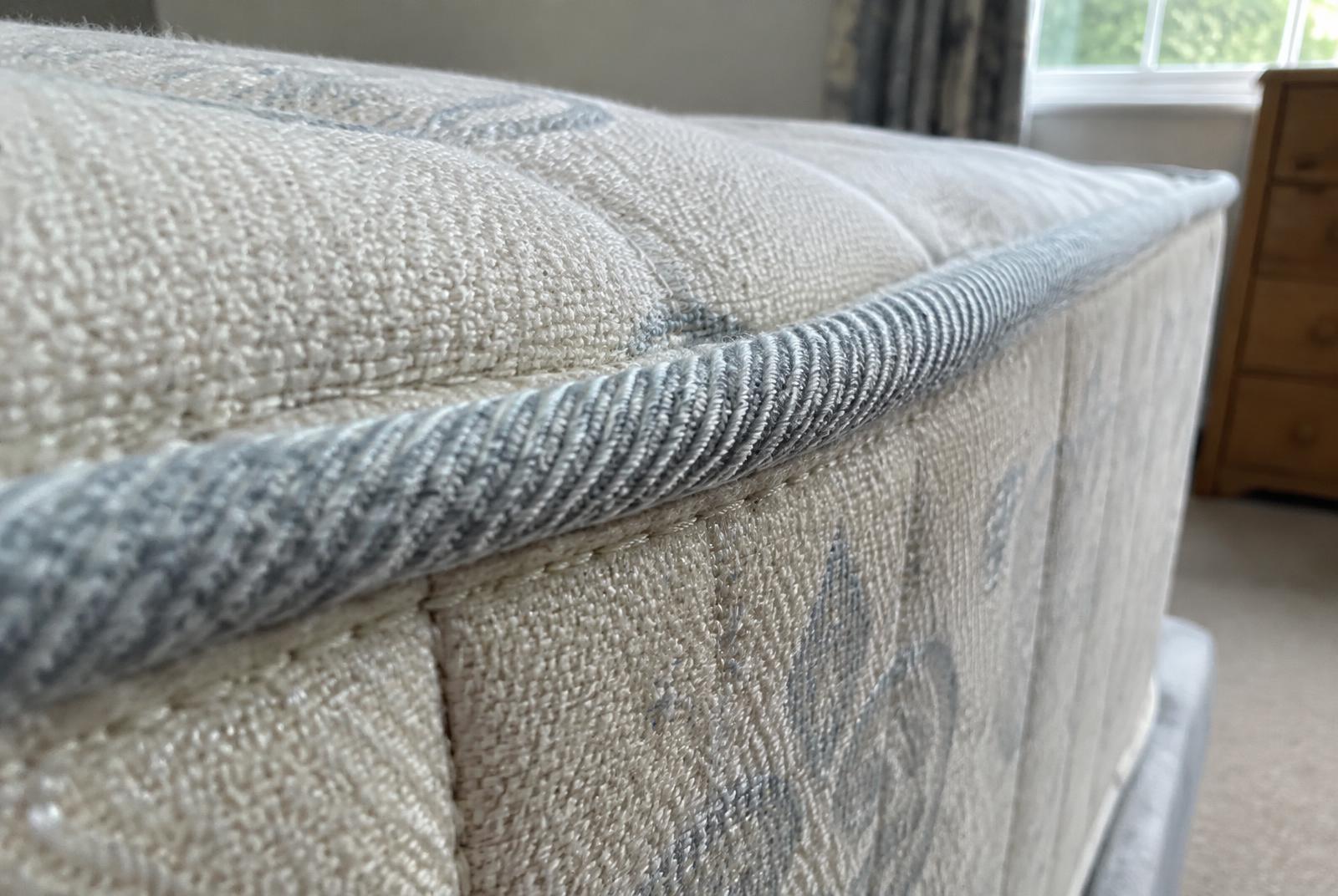
Bedrooms remain the most common place to find a bed bug infestation. The insects shelter close to where people sleep and emerge to feed before returning to their hiding places. The NHS lists bed frames, mattresses, furniture, behind pictures and under loose wallpaper among typical hiding places.
- Mattress seams, piping, labels and handles
- Bed frames, headboards and wooden joints
- Divan bases and internal fabric coverings
- Bedside cabinets, drawers and furniture joints
- Behind pictures, mirrors and wall decorations
- Under loose wallpaper, and cracks at wall junctions
- Curtain folds and upholstered bedroom furniture
- Protected gaps around electrical fittings
One more point worth repeating: how clean a place is does not determine whether bed bugs are present. A spotless bedroom can still develop an infestation — the insects arrive with people, not with dust.
Where nobody thinks to look
Sofas, armchairs and second-hand furniture
An infestation does not have to begin in a bedroom. Sofas and armchairs can provide suitable shelter, particularly when somebody spends extended periods sitting or sleeping in them — beneath cushions, inside upholstery seams and under furniture frames.
Second-hand furniture deserves particular respect. A second-hand bed frame, sofa or bedside cabinet from an infested home can carry live insects and eggs in wooden joints, cracks and concealed compartments. Inspect purchases carefully before bringing them indoors — the same applies to second-hand luggage and textiles.
What physical evidence looks like
Confirmation means physical evidence, not a suspicion. The US EPA describes bites as a poor indicator of an infestation and recommends looking for:
- Live bed bugs, however small
- Pale eggs and empty eggshells
- Cast skins left behind as young insects grow
- Dark faecal spotting along seams and joints
Travel
Hotels, guesthouses and holiday accommodation
Cleanliness and hotel star ratings cannot guarantee a room is free from bed bugs. The insects are introduced by guests, not by housekeeping — the US EPA calls them great hitchhikers, moving between places on furniture, bedding, luggage and clothing.
A few minutes before unpacking
- Check accessible mattress seams and the headboard area for live insects, dark spotting or cast skins.
- Keep luggage on a rack away from the bed, walls and upholstered furniture while you look.
- If you find convincing evidence, notify the accommodation provider and ask them to investigate and to arrange appropriate alternative accommodation.
- Remember not every mark or insect is a bed bug — accurate identification matters.

Buses, trains, taxis and aircraft
Sharing a seat with a hitch-hiker
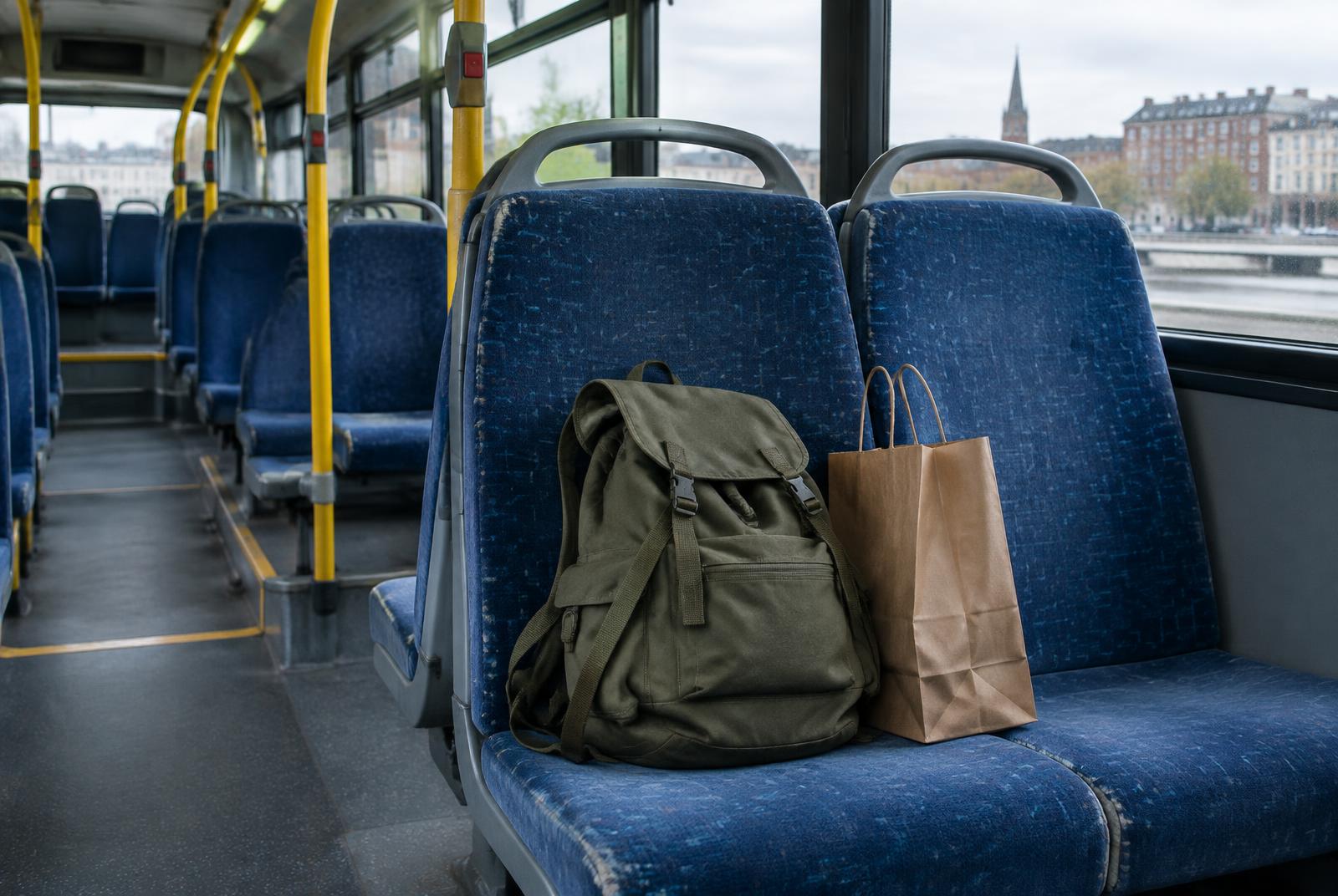
Public transport brings thousands of people — and their bags, coats and shopping — into shared spaces every day. Individual bed bugs can occasionally be carried into vehicles on passengers' belongings and may temporarily shelter in upholstered seat seams and protected gaps.
But a bed bug discovered on a bus or train does not, on its own, mean the vehicle is infested — an isolated insect is usually a hitch-hiker that arrived on somebody's belongings. What we will not say is that a problem could never take hold: seating on vehicles used repeatedly for long journeys, where people rest for extended periods, can in principle allow bed bugs to persist. A confirmed established infestation in any setting requires physical evidence, not a single sighting. Reports of findings on aircraft or in venues should be investigated proportionately, and an isolated insect does not establish a widespread problem.
The most important part of the story
Your suitcase — how they arrive home
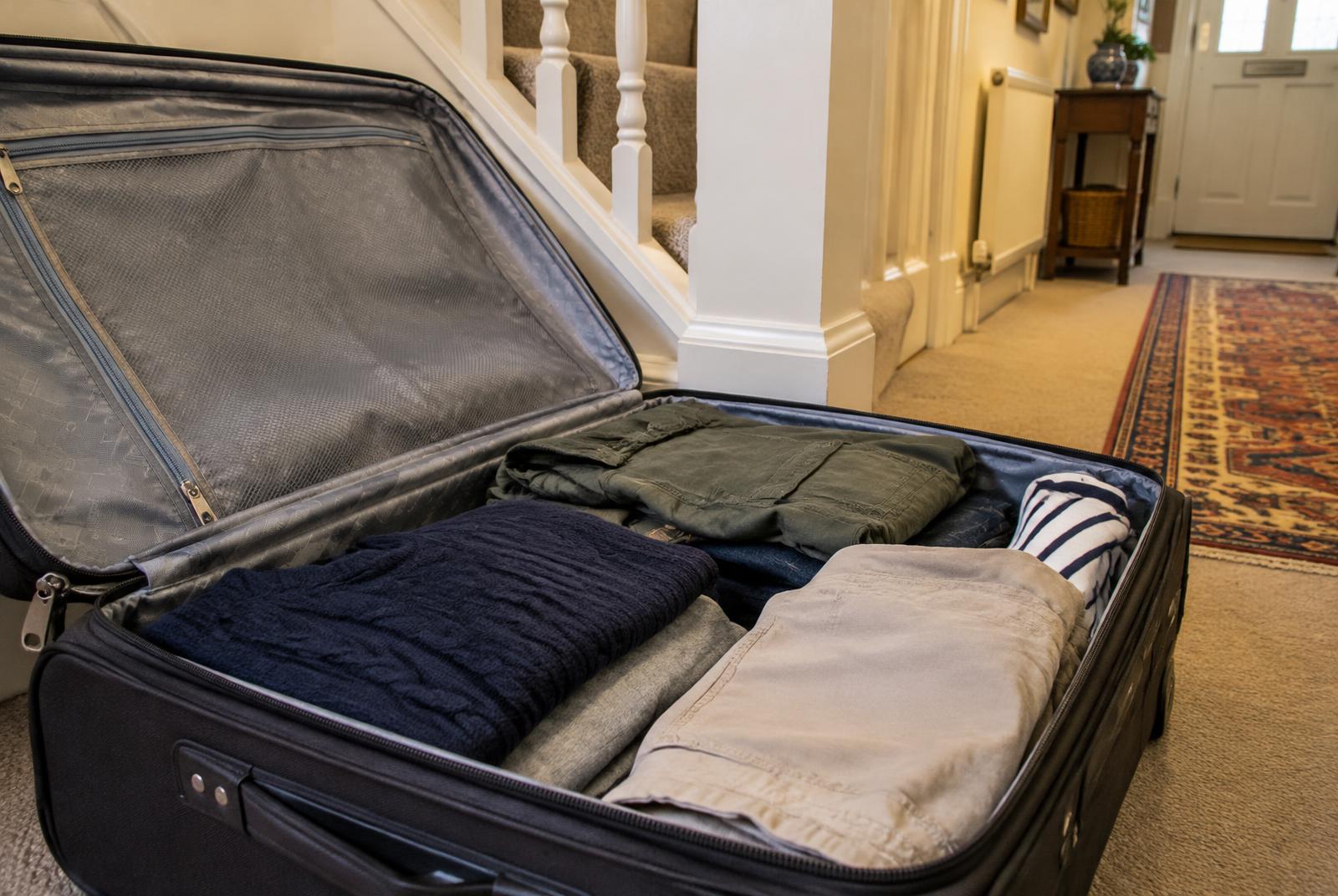
This is one important way bed bugs can be introduced into a home: an insect hidden in a suitcase seam or another belonging is carried home unnoticed after a hotel stay, a visit or a journey. Once introduced into a home where people sleep, a single fertilised female may be enough to start a problem.
If a journey has given you cause for concern
- Inspect luggage over a hard floor, not on or beside the bed.
- Check seams, pockets and compartments carefully.
- Wash washable items, then tumble dry them — the US EPA notes a dryer on high heat can kill bed bugs. Washing alone may not reliably kill every life stage, so the drying step matters most. Follow the fabric care label and choose the hottest setting the fabric can safely take.
- Isolate anything suspicious until it can be properly inspected.
Not every journey carries risk. These checks matter most after a suspected or confirmed exposure.
Keeping perspective
Why bed bugs are hard to detect — and easy to exaggerate
Bed bugs are small, flattened insects that conceal themselves in narrow gaps and generally avoid light. Their eggs and young nymphs are difficult to notice. They have no wings and cannot jump — they crawl, and they travel mostly because we carry them.
Bites alone cannot confirm an infestation. Skin reactions vary enormously between people, some people do not react at all, and other insects and skin conditions produce similar marks. Only physical evidence — insects, cast skins, eggs or faecal spotting — confirms what is really happening.
Finally, some reassurance from the CDC: bed bugs are not known to spread diseases to people. The harm they cause is itching, sleep disturbance, distress and, sometimes, skin infections from scratching.
Reducing the chance they settle
- Reduce clutter — fewer hiding places, easier checks.
- Use protective covers on mattresses and bases as the US EPA recommends.
- Vacuum frequently to remove travelling insects.
- Be deliberate about second-hand furniture and luggage.
In blocks of flats, a wider view sometimes matters: insects can move between adjoining rooms, so a problem in one home may involve considering neighbouring accommodation too. Our customers' full preparation and treatment guidance lives in the private Customer Portal — this page deliberately stops short of it. If you stay away from home regularly, our dedicated guide Bed Bugs and Travel covers hotels, hostels and coming home.
Bed bugs don't respect boundaries
Suspect bed bugs in your property?
If bed bugs have been positively identified in your home, a professional assessment establishes the extent of the problem and the right response — including whether controlled heat treatment is appropriate. Getting the identification right comes first; if you are not sure what you have found, start there.
Related Bed Bug Heat Experts UK guidance
References and sources
- NHS — Bedbugs(opens in a new tab)
- CDC — About bed bugs(opens in a new tab)
- US EPA — Protecting your home from bed bugs(opens in a new tab)
- US EPA — How to find bed bugs(opens in a new tab)
- Purdue University Extension — Bed bug facts(opens in a new tab)
- CCOHS — Bed bugs(opens in a new tab)
Sources reflect publicly available guidance at the time of writing. Where this article gives a judgement without a listed source — such as interpreting an isolated sighting — that judgement is Bed Bug Heat Experts UK professional guidance, not a quoted authority.